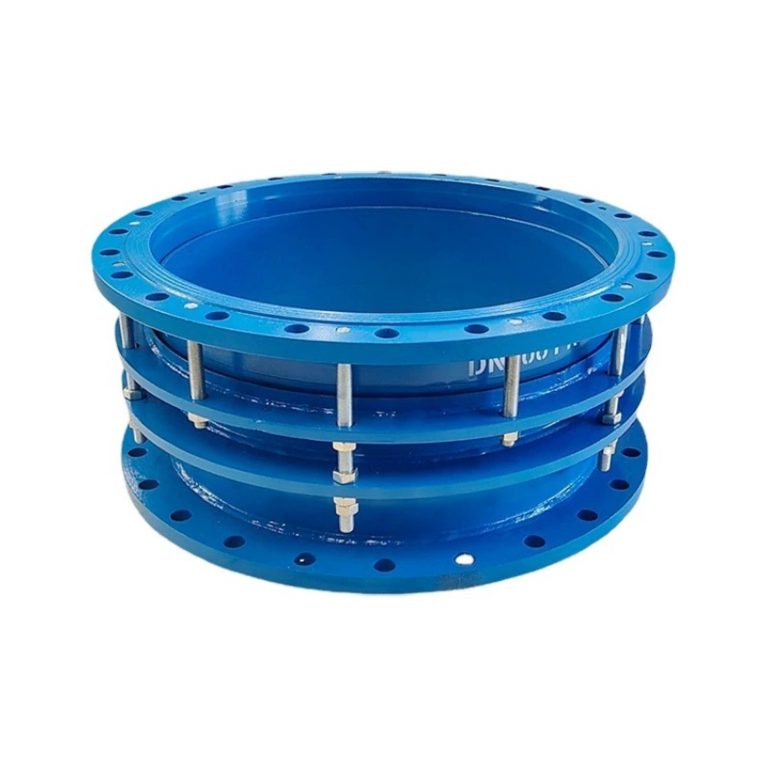


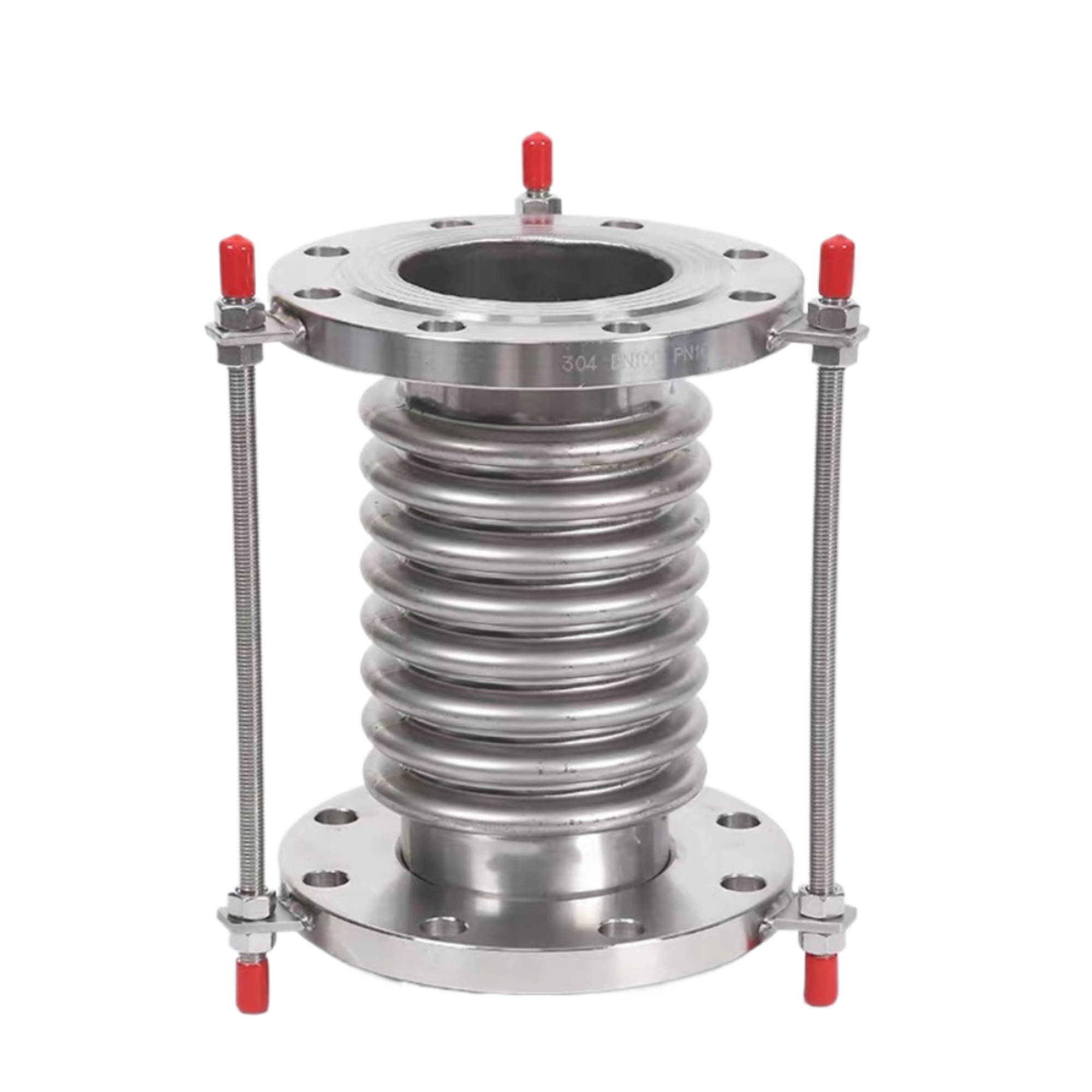
Bellows Expansion Joint
PRODUCT PARAMETERS
Description
| Item | Specification |
| Product Size | Common specifications: DN25 – DN1200 (1″ – 48″), supporting large-diameter customization. |
| Pressure Rating | PN6 – PN100 / Class 150, Class 300, Class 600. |
| Manufacturing Standard | Complies with international standards such as GB, ANSI, DIN and JIS. |
| Material | Bellows: Stainless steel. Flange / Tie Rod: Carbon steel, stainless steel, alloy steel, pipeline steel, low-temperature steel, duplex steel. |
| Surface Treatment | Including galvanizing, painting, epoxy anti-corrosion, pickling passivation, polishing, sandblasting, etc. (customized according to customer requirements). |
| Origin | China |
| Connection Method | Flange connection (standard configuration); customizable welding connection (butt welding / socket welding) is available. |
| Temperature Range | -196℃ ~ +450℃ (the specific temperature resistance range depends on the material and application working conditions). |
FAQs
Are you a manufacturer or a trading company?

Can you manufacture customized flanges and pipe fittings?
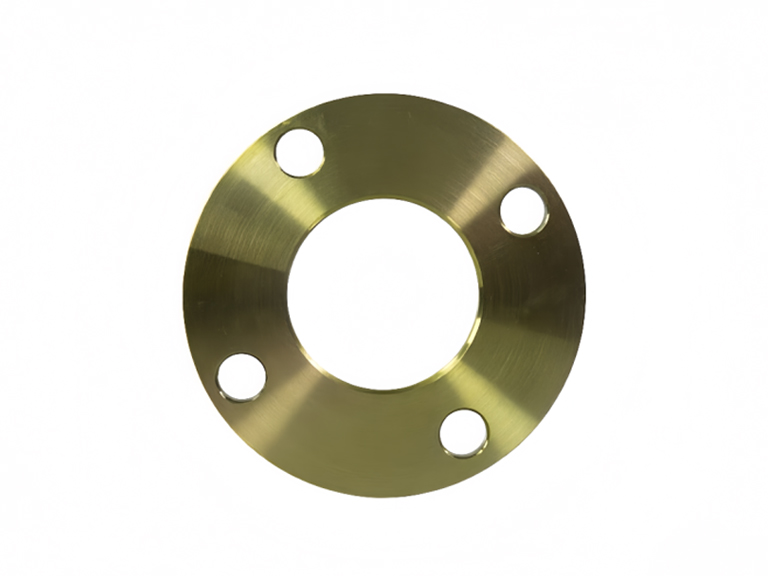
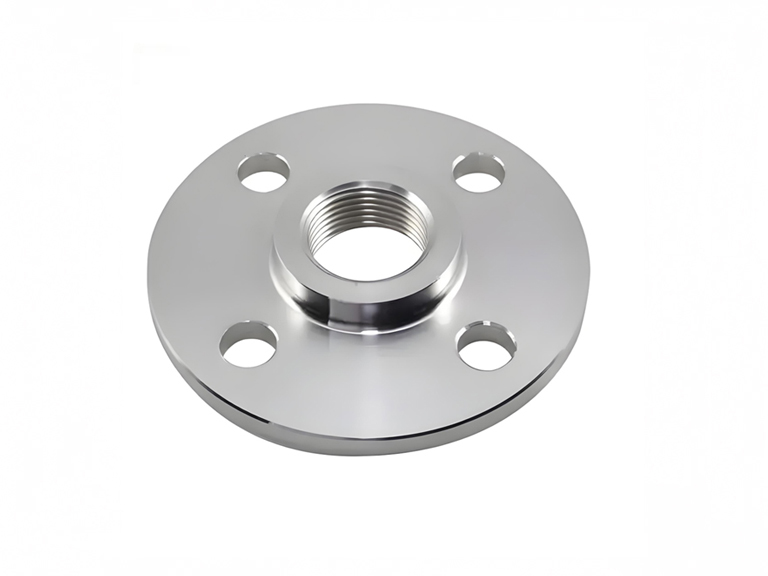
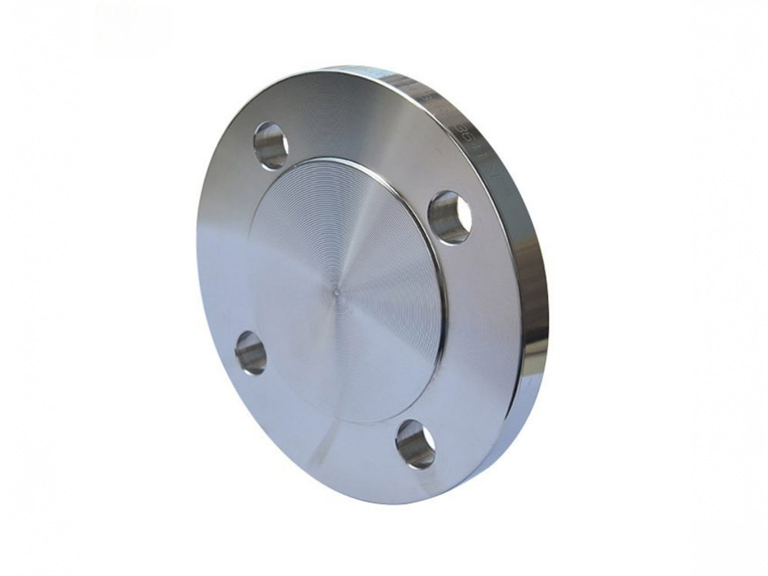

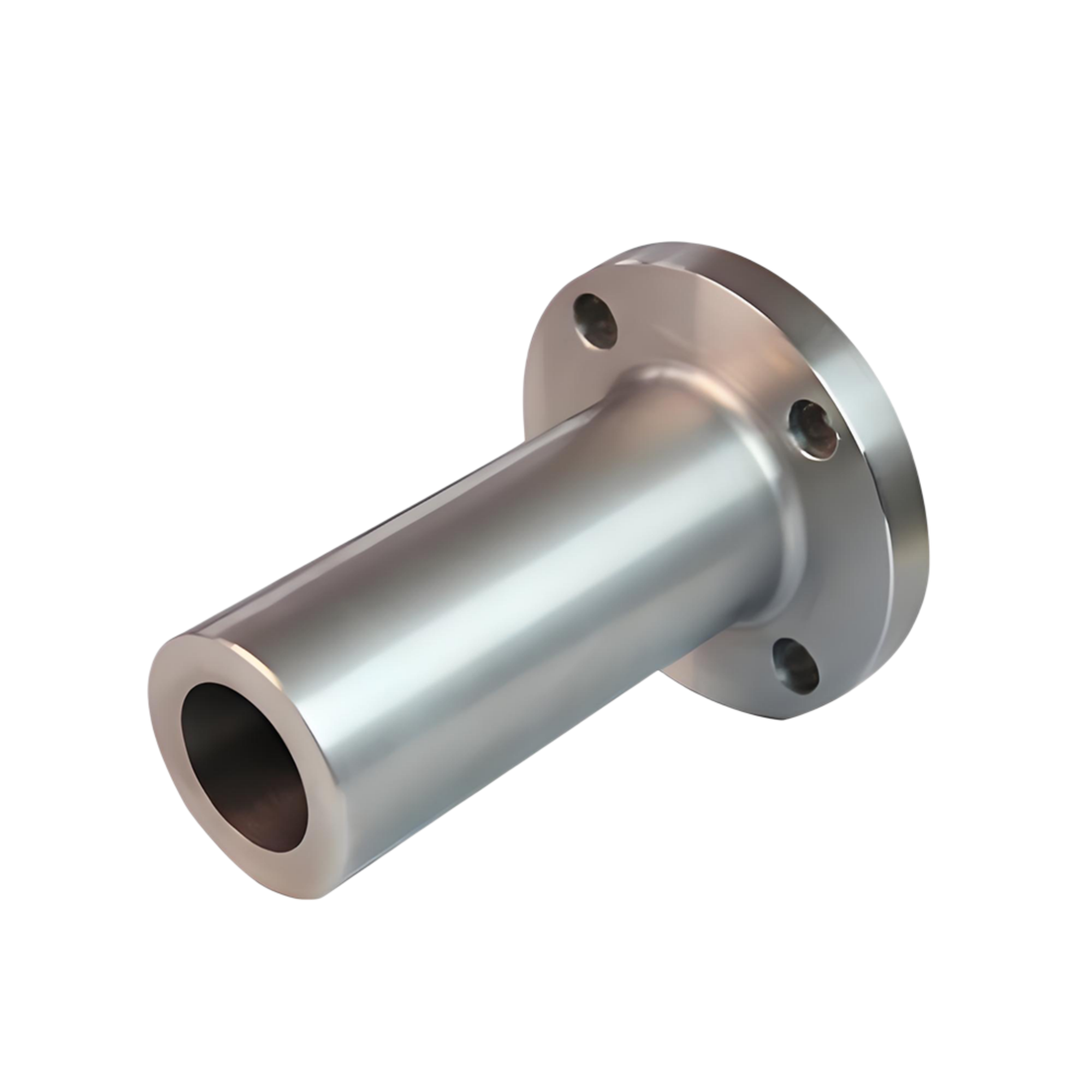
What materials and standards are available?
How do you control product quality?
How long does production and delivery take?