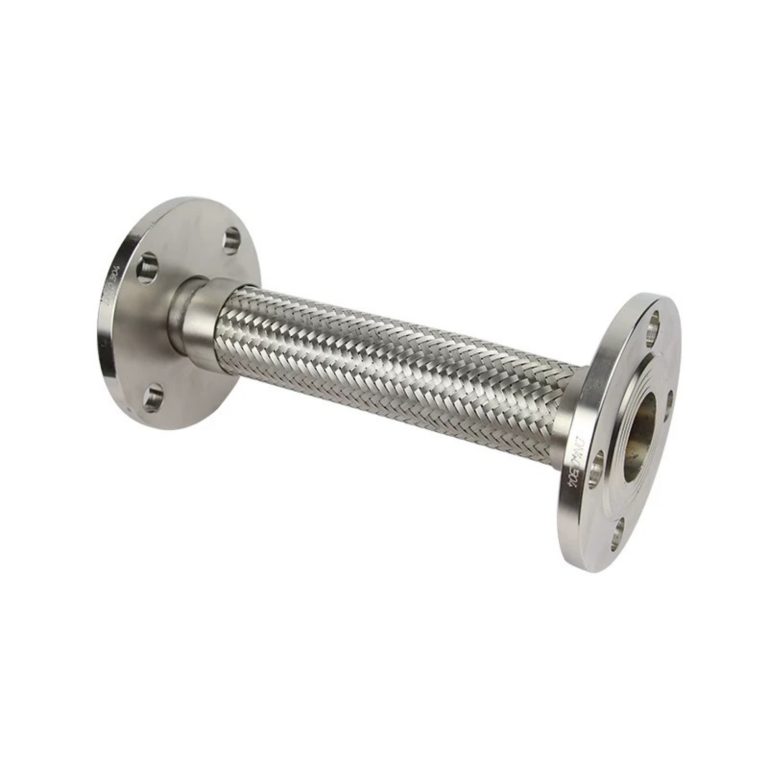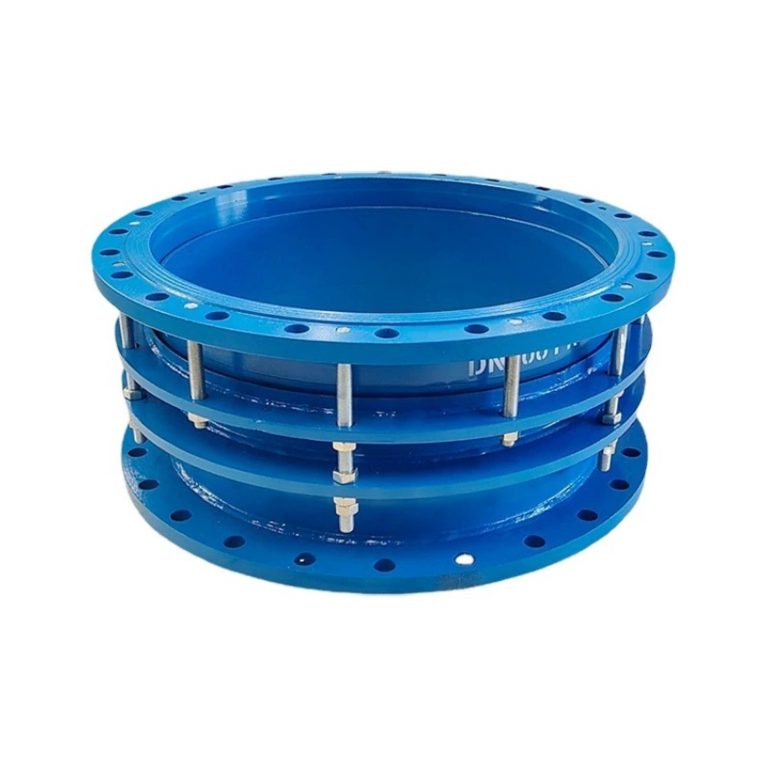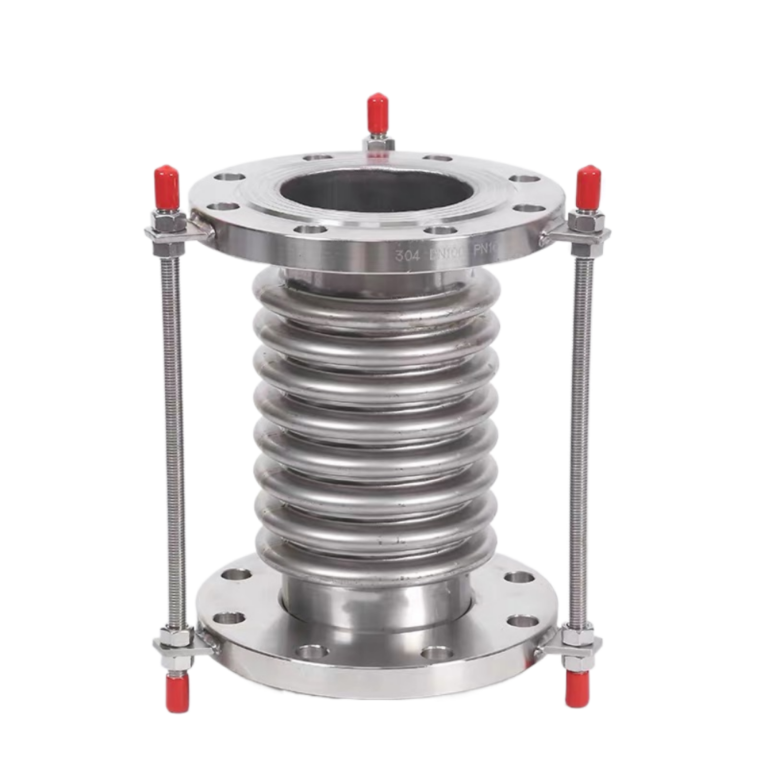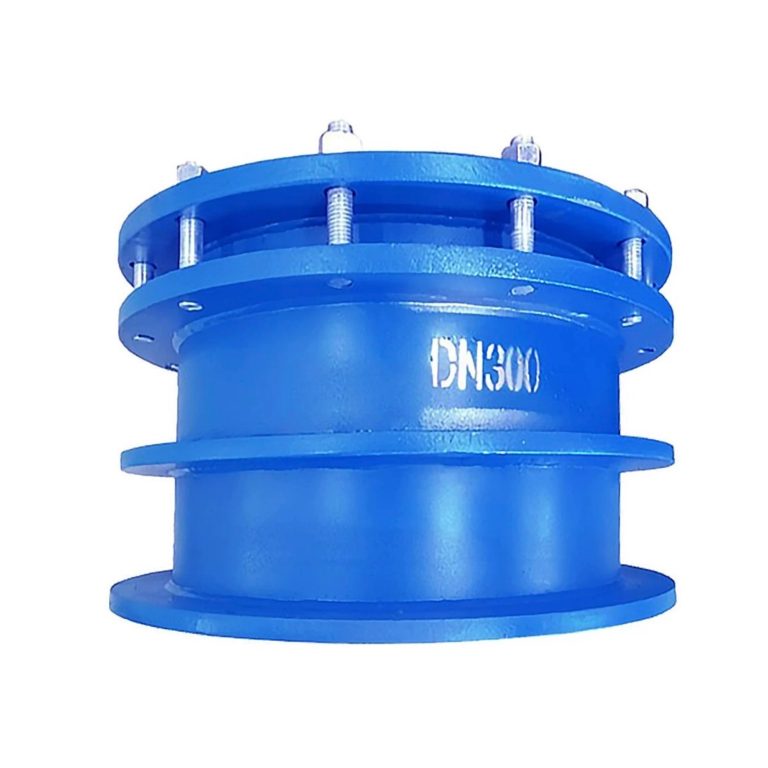

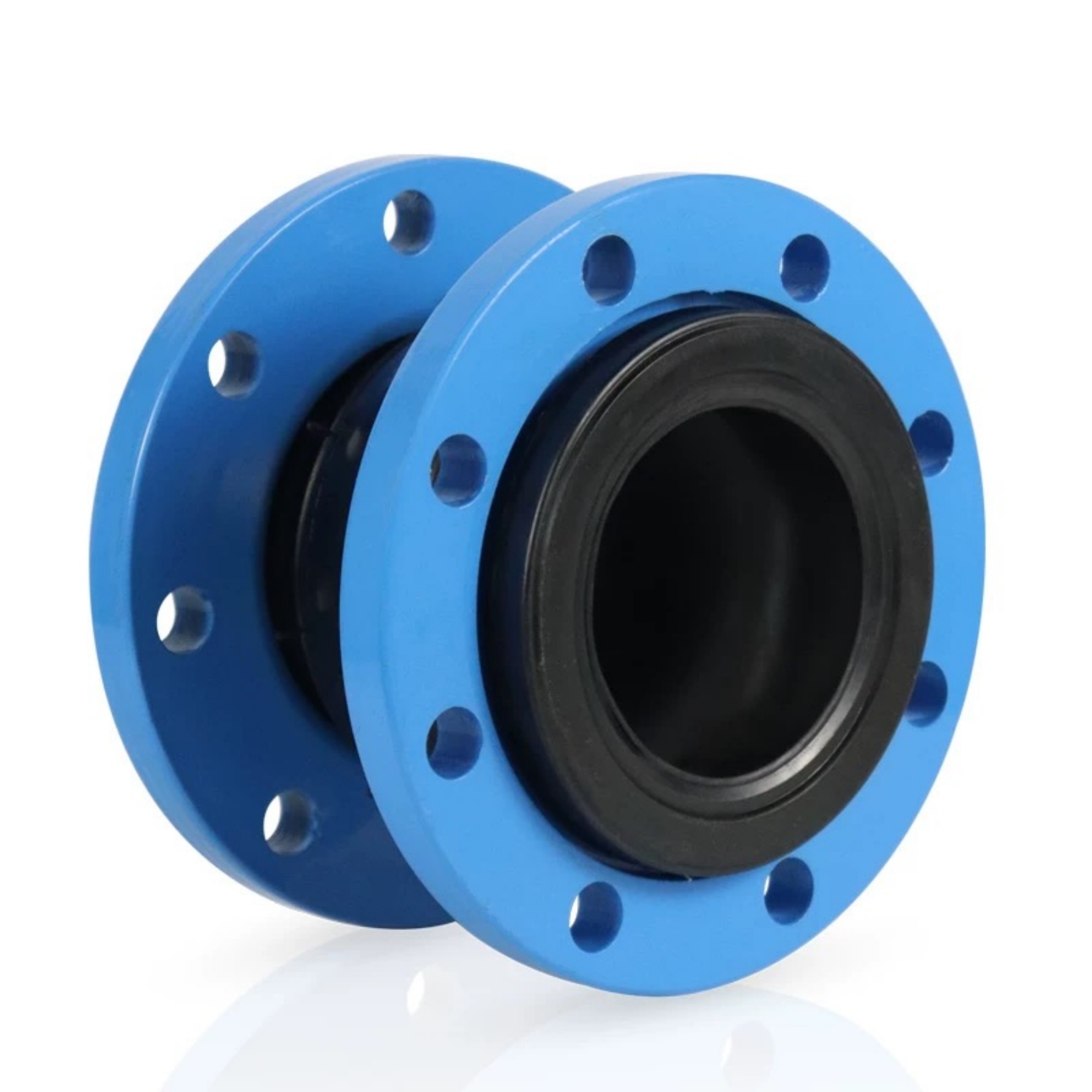
Rubber Expansion Joint
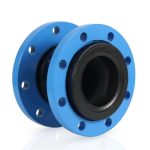
PRODUCT PARAMETERS
Description
| Item | Specification |
| Product Size | DN25–DN1200 (1″ – 48″) and other standard sizes; large-diameter customization available |
| Pressure Rating | PN6–PN40 / Class 150, Class 300 (higher pressure ratings can be customized as required) |
| Manufacturing Standard | Conforms to GB, ANSI, DIN, JIS and other international standards |
| Material | Flange: carbon steel, stainless steel, alloy steel; Rubber: natural rubber, NBR, FKM, EPDM, etc.; Metal reinforcement layer (e.g. steel wire braided layer or steel plate reinforced layer) |
| Surface Treatment | Flange: pickling & passivation, anti-rust oil coating, painting, hot-dip galvanizing, sandblasting, etc.; Rubber ball: natural rubber color, customized colors, etc. (as per customer requirements) |
| Origin | China |
| Connection Type | Flanged connection |
| Temperature Range | -20°C ~ +150°C (depending on rubber type and working conditions; some high-temperature models up to +250°C) |
FAQs
Are you a manufacturer or a trading company?

Can you manufacture customized flanges and pipe fittings?
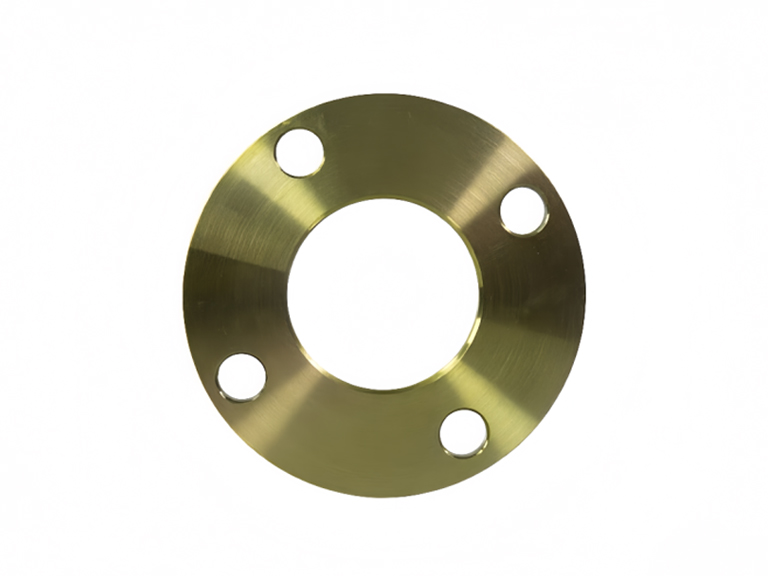
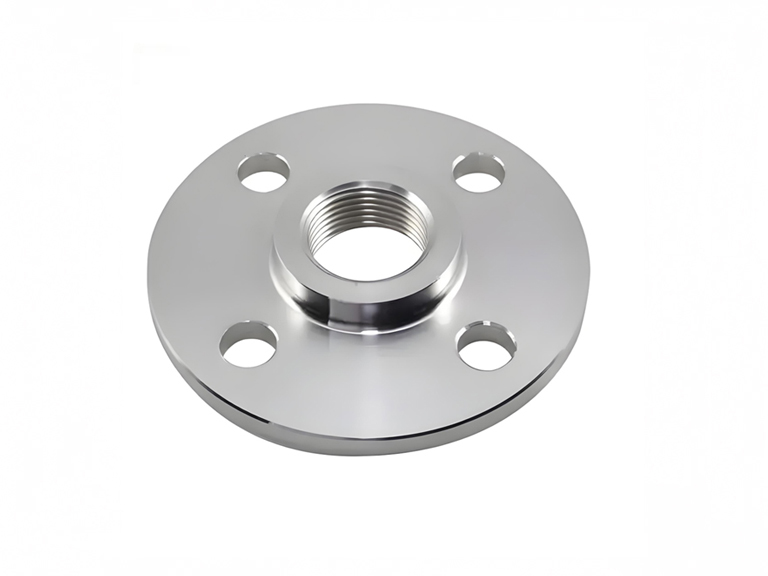
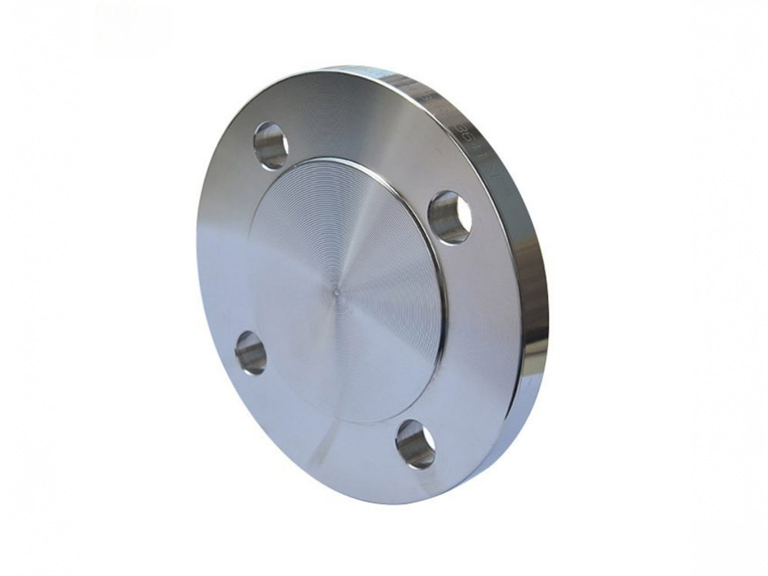

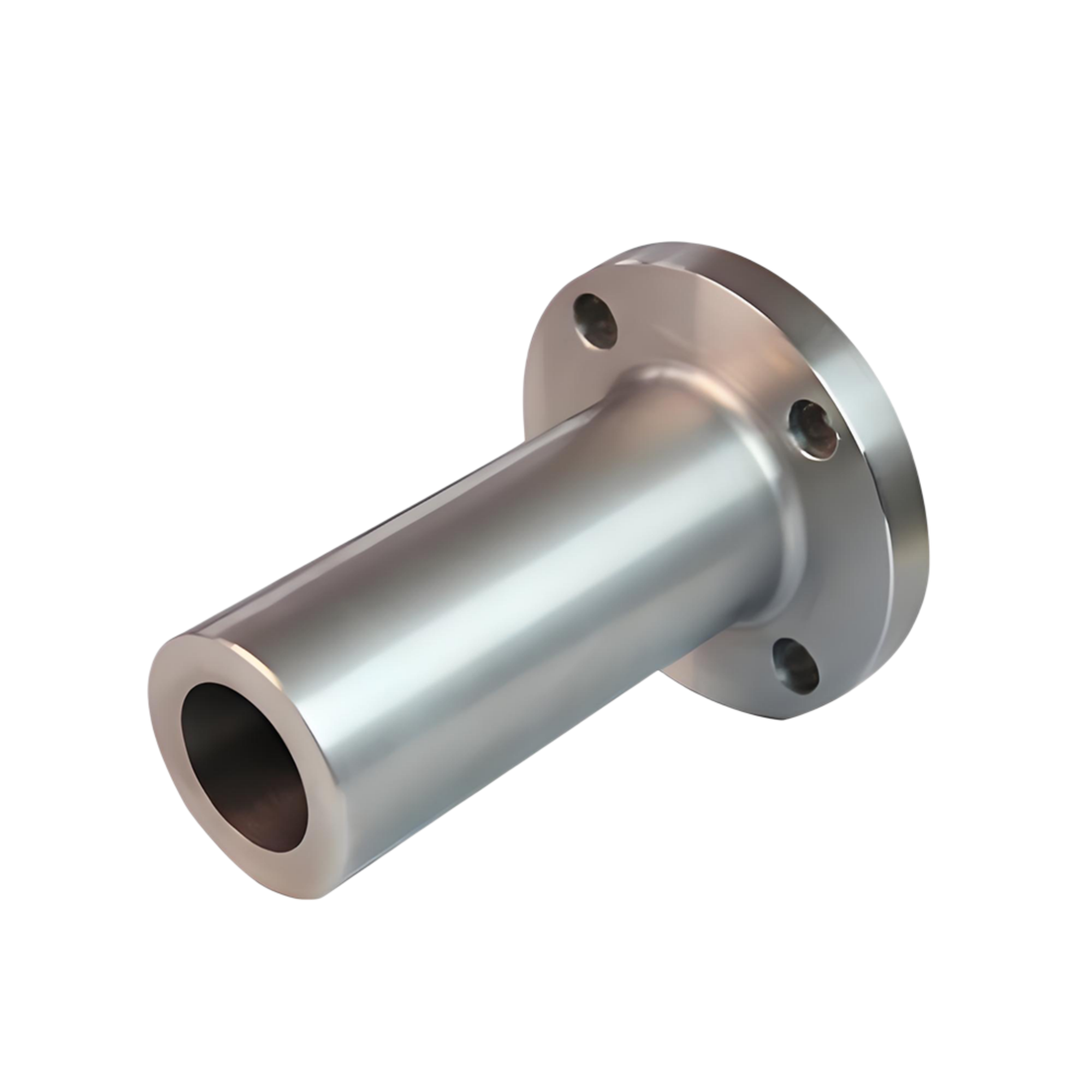
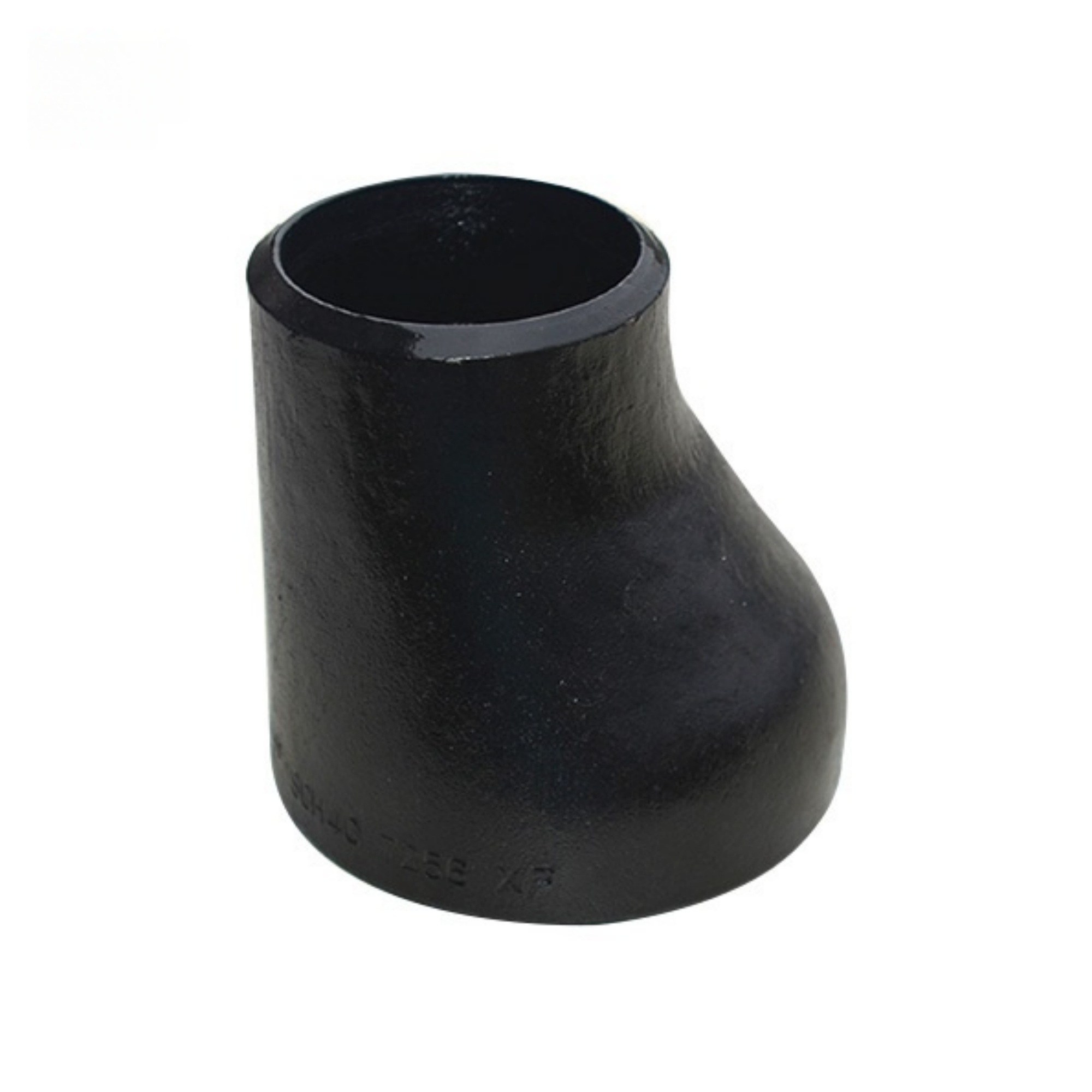
What materials and standards are available?
How do you control product quality?
How long does production and delivery take?